
Here’s What You Actually Need…
If you’re self-employed or running a small business, you’ve probably asked yourself at some point, or even typed into Google, “Do I need a bookkeeper or an accountant?”
It’s an easy question to ask, especially when both roles seem so similar on the surface. They both deal with numbers, they both work with your finances and they both play a part in your business at different stages. But they serve very different purposes and understanding that difference can make a big impact on how smoothly your business runs.
It’s also becoming a more important question than ever. With rising costs, tighter regulations and increasing pressure to stay organised, knowing who to hire and when isn’t just helpful, it’s essential. On top of that, with growing HMRC scrutiny and more detailed financial reporting requirements expected through 2025 and beyond, keeping your finances in order is no longer something you can put off.
So, let’s break it down in a simple, straightforward way, so you can make the right decision for your business with confidence.
Understanding the Difference
Bookkeeping is the process of recording and organising your financial transactions, while accounting is about interpreting that data and turning it into reports, tax submissions and business insights.
In practical terms, your bookkeeper is responsible for keeping everything accurate and up to date throughout the year. Your accountant then uses that information to prepare your accounts, submit your taxes and advise you on how to move forward.
This relationship is key. Bookkeeping isn’t separate from accounting, it’s the foundation that everything else relies on. Without accurate records, even the best accountant is working with incomplete or unreliable information.
Why This Is Increasingly Important Going Forward
With upcoming changes to HMRC reporting requirements, including Making Tax Digital (MTD) expansion and more detailed real-time reporting, businesses will be expected to maintain accurate, up-to-date financial records as standard.
For example, from April 2026, many self-employed individuals and landlords will be required to submit quarterly digital updates to HMRC, rather than relying on a single annual submission.
What does that mean in reality?
It means bookkeeping is no longer something you can leave until the end of the year. It needs to be consistent, accurate and ongoing.
What a Bookkeeper Really Does
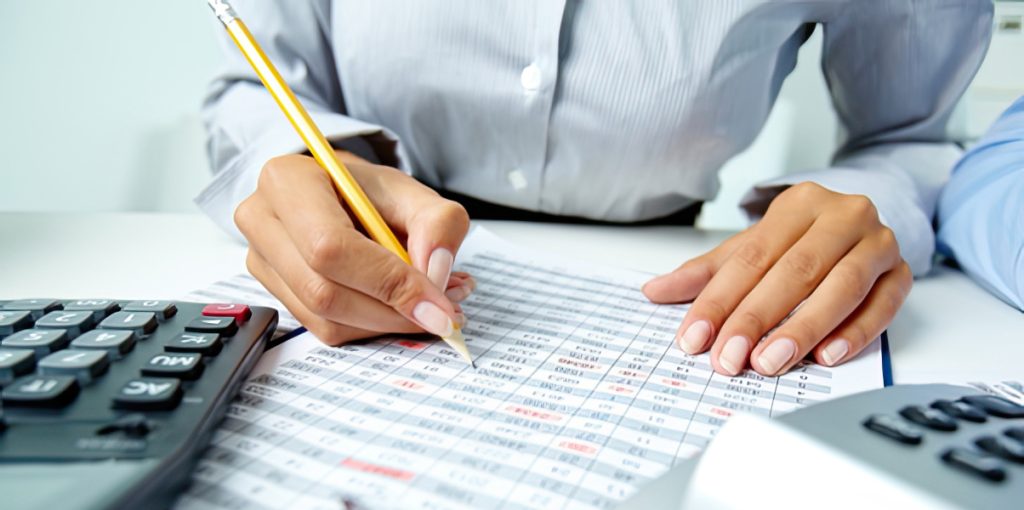
A bookkeeper handles the day-to-day financial activity in your business. This includes recording income and expenses, reconciling your bank accounts, tracking invoices and making sure everything is categorised correctly.
It might sound basic, but it’s one of the most important parts of running a business.
Every transaction, whether it’s a sale, a purchase, or a payment, needs to be recorded accurately. Bookkeeping ensures that your financial data is always up to date, accessible and ready to use when needed.
More importantly, it gives you visibility. You can see how your business is performing, understand your cash flow and make decisions based on real numbers, not guesswork.
And in today’s climate, that matters.
A recent survey found that 83% of UK SMEs said having proper bookkeeping in place helped reduce the impact of inflation on their business.
That’s not just admin, that’s business stability.
What an Accountant Does
While a bookkeeper focuses on the detail, an accountant focuses on the bigger picture.
They take your financial data and turn it into something meaningful. This includes preparing year-end accounts, submitting tax returns, advising on tax efficiency and helping you plan. They also play a key role in compliance. As regulations become more complex, having someone who understands tax rules and financial reporting requirements is essential.
But here’s the key point that often gets overlooked: An accountant can only work as well as the records they’re given.
If your bookkeeping is incomplete or disorganised, they’ll need to fix it first, which takes time and increases costs.
The Cost Difference
Bookkeepers typically charge significantly less than accountants, as their role is focused on maintaining records rather than providing strategic advice. Accountants, on the other hand, charge higher fees due to their qualifications and the level of expertise they provide.
This becomes important when your bookkeeping isn’t up to date.
If your accountant must spend hours correcting errors, chasing missing information, or rebuilding your records, you’re paying a higher hourly rate for work that could have been handled more efficiently at a lower cost. It’s one of the most common (and avoidable) ways businesses overspend.
How Good Bookkeeping Saves You Money
Here’s where everything connects.
When your bookkeeping is maintained properly throughout the year, your accountant receives clean, accurate and organised records. That means they can go straight into preparing your accounts and advising you, without needing to fix anything first.
The result?
Lower accounting fees, fewer delays, and far less stress at tax time. But beyond cost, there’s something even more valuable: clarity.
Good bookkeeping gives you a real-time view of your business. It helps you stay in control, avoid surprises, and make better decisions all year round.
So… What Do You Actually Need?
For most self-employed professionals and small business owners, it’s not a case of choosing one over the other. You need both, but for different reasons.
A bookkeeper keeps your business running smoothly in the background, ensuring your records are accurate and up to date. An accountant steps in to handle tax, compliance, and strategic advice when it matters most.
And as regulations continue to tighten, having that structure in place is becoming less of a luxury and more of a necessity.
Final Thoughts
If there’s one thing to take away from all of this, it’s this:
Getting your bookkeeping right from the start makes everything else smoother, especially when it comes to tax time.
It saves you time, reduces stress and often lowers your overall costs.
But more than that, it gives you confidence, knowing your business is organised, compliant and under control.
Need Help Getting Started?
If your bookkeeping has fallen behind, or you simply want to stay organised moving forward, getting the right support can make all the difference.
At NexGen Bookkeeping & PA Services, we help self-employed professionals and small businesses keep their finances accurate, up to date, and running smoothly — without the need to hire in-house.
Because when your books are in order, everything else becomes a lot easier.